
Top Foundation Repair Products To Reinforce And Stabilize Your Foundation
Learn about effective products that help you reinforce and stabilize your foundation, preventing further damage and ensuring safety.
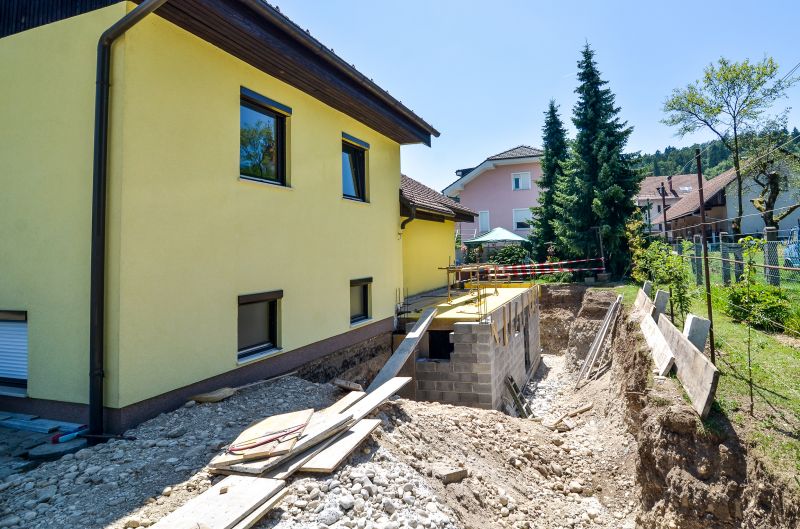 Foundation repairs are a critical aspect of maintaining the safety and stability of a home, especially in regions like Cincinnati, OH, where soil conditions and weather patterns can impact structural integrity. When addressing foundation issues, a variety of products are available to help stabilize, lift, and reinforce the foundation. These products range from simple repair kits to sophisticated underpinning systems, each designed to meet different levels of repair needs and budgets. Proper selection and application of these products can contribute significantly to the longevity of a structure and help prevent further damage.
Top Overall Option
Hydraulic Piering System
A hydraulic piering system is a versatile and commonly used solution for foundation stabilization. It involves installing steel piers beneath the foundation and using hydraulic jacks to lift and level the structure. This method is suitable for a range of foundation issues, including settlement and uneven floors, providing a reliable means of restoring stability. Properly installed hydraulic piers can offer a long-lasting repair option, especially when combined with professional assessment and installation. They are adaptable to various soil conditions and foundation types, making them a popular choice among contractors and homeowners seeking effective foundation support.
Types of Products For Foundation Repairs
Hydraulic Piers
Steel or concrete piers installed beneath the foundation, lifted with hydraulic jacks to stabilize and level.
Push Piers
Steel piers driven into the soil to provide support for settling foundations, often used in underpinning.
Epoxy Injection Kits
Products designed to fill and seal cracks in concrete foundations, restoring structural integrity.
Carbon Fiber Straps
Flexible reinforcement strips used to strengthen cracked or bowed foundation walls.
Mudjacking and Slab Jacking
Methods involving the injection of a slurry beneath concrete slabs to lift and level sunken areas.
Soil Stabilization Products
Chemical or mechanical solutions to improve soil stability around the foundation.
Underpinning Systems
Various methods and products used to extend foundation depth or provide additional support.
Anchor Bolts and Braces
Hardware used to reinforce foundation walls and prevent movement.
Concrete Repair Mortars
Specialized mortars for patching and restoring damaged concrete surfaces.
Drainage and Waterproofing Products
Systems designed to divert water away from the foundation and prevent moisture-related issues.
Popular Choices
Widely used for their adaptability and effectiveness in various foundation repair scenarios.
Commonly selected for underpinning and stabilizing settling foundations.
Popular for sealing cracks and preventing further structural damage.
Favored for its ease of use and strong bonding to foundation walls.
Effective for lifting sunken concrete slabs around the home.
Chosen for improving soil conditions in challenging environments.
Popular for extending foundation support in deep or unstable soils.
Effective for reinforcing bowing or cracked walls.
Widely used for repairing surface damage and cracks in concrete foundations.
Essential for protecting foundations from moisture intrusion.
In the process of foundation repair, it is essential to understand the specific problems affecting a property. Common issues include settling, cracking, and shifting, which may require different approaches and products. For instance, some solutions focus on lifting and leveling, while others aim to reinforce and stabilize. Consulting with a foundation specialist can help identify the most suitable products and methods for a particular situation. It is also important to consider the soil type, moisture levels, and the extent of damage when choosing repair products.
The market offers a wide array of foundation repair products, from hydraulic piers and steel push piers to epoxy injection kits and carbon fiber straps. Each type serves a specific purpose, whether it is to provide immediate stabilization or long-term reinforcement. Proper installation and maintenance are vital for ensuring these products perform as intended. Homeowners and contractors should prioritize quality and compatibility with existing structures to achieve the best results. Regular inspections and timely repairs can also mitigate future issues and preserve the structural integrity of the home.
Choosing the right foundation repair products involves careful consideration of several factors, including the severity of damage, budget constraints, and the desired longevity of the repair. Understanding the different product types, their applications, and limitations can help in making informed decisions. Investing in the appropriate products and professional installation can contribute to a safer, more durable home environment, especially in areas like Cincinnati where soil and climate conditions pose unique challenges.
Key Buying Considerations
- Assess the severity and type of foundation issues before selecting products.
- Consider the soil conditions and moisture levels in your area.
- Choose products compatible with your foundation material, whether concrete, brick, or stone.
- Evaluate the longevity and durability of the repair solutions.
- Ensure products are suitable for the specific type of foundation problem, such as cracking or settling.
- Review installation requirements and whether professional assistance is needed.
- Factor in your budget and the potential need for ongoing maintenance or repairs.
- Check for products with proper certifications and quality standards.
- Consider the ease of application and whether specialized tools or skills are required.
- Think about the impact of repair products on the home’s value and safety.
- Research warranty options or guarantees offered by product manufacturers.
- Determine if the products are designed to accommodate future expansion or repairs.
- Review customer feedback and expert opinions when available.
- Verify that the products are suitable for your local climate and environmental conditions.
- Plan for regular inspections to monitor the effectiveness of the repairs over time.
This page contains affiliate links. We may earn a commission if you make a purchase through these links, at no additional cost to you.